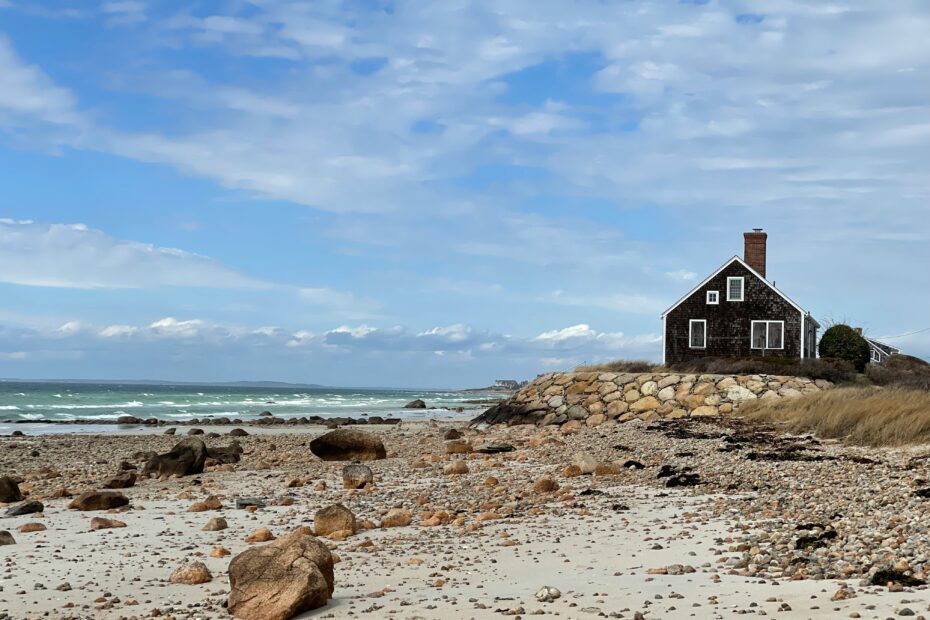
A Devon family wanted to pass their house to the children now, while one parent kept the right to live there for life. Putting a figure on that gift meant valuing a future nobody can predict.
From the lane, it looks like any other well-loved family house in the Devon countryside. It was clear from the first visit, though, that this was not going to be a straightforward valuation. The house, with an annexe alongside, had been the family’s second home for many years and was let to holidaymakers for part of the year.
The owners, a couple who held it jointly, wanted to start passing it on. The plan under discussion was that one parent would keep the right to live there and take any letting income for the rest of their life, after which the house would pass to the children in equal shares. Before deciding how to structure the gift, their solicitor and accountant needed independent figures for every interest involved.
Valuing something that does not yet exist
The first difficulty was that the life interest and the children’s share were still only on paper. Under the RICS Red Book, interests like these can only be valued on a special assumption, agreed in writing with the client before the report is issued. Getting that wording right at the start shaped everything that followed.
The harder question was time. The children’s share is worth more the sooner it falls in, and nobody can know when that will be. It is tempting to take an average life expectancy and defer the value to that single date, but that misstates the figure. People do not all live to the average, and the value of the remainder depends on the whole spread of possible outcomes.
A single “average” date would have been simpler. It would also have been wrong.
The method
We started where any buyer would: with the house itself. We inspected and measured it, went through the title, planning history, council tax and letting records, and valued the freehold by comparison with sales of houses in similar coastal and rural settings, weighing each for location, size, condition and setting. The quirks went into the figure too: the access arrangements, gaps in the planning history and some old title matters that a buyer’s solicitor would want answered.
For the life interest and the remainder, we used the Office for National Statistics mortality projections to weight the deferral year by year, by the probability of the life interest ending in each year. The deferment rate was built up from current index-linked gilt yields using the method set by the Lands Tribunal in Earl Cadogan v Sportelli, adjusted for the local rural market and cross-checked against the home reversion market.
Because the final structure was still open, we also valued each owner’s half share on both of the bases relevant for tax, and added a sensitivity table showing how the figures move with the deferment rate and with a shorter or longer life.
What it came to
On the agreed basis, the children’s remainder came to a little over a third of the freehold value, with the retained life interest making up the rest. Every step and assumption was set out in the report, so the advisers could rely on the figures and the valuation could stand up to the District Valuer.
The market for second homes in the South West has shifted. Changes to stamp duty on additional homes, the end of the furnished holiday lettings tax regime, council tax premiums on second homes and a new national register of holiday lets have all weighed on demand. More families are now thinking about passing these houses on rather than selling, and the valuation sits at the heart of that decision.
The catch: gifts with reservation of benefit
A gift of a house is not always a gift in the eyes of HMRC. Where someone gives property away but carries on living in it or taking the income, the gift with reservation of benefit rules in the Finance Act 1986 can treat the house as still part of their estate for inheritance tax, as if the gift had never been made. Retaining a life interest is the very situation those rules were written for, and gifts into trust carry tax rules of their own.
That does not make the valuation any less important. The figures are needed to understand the capital gains tax on the gift, to compare the different ways of structuring it, and for the estate in due course. It does mean the structure has to be settled with proper legal and tax advice before anything is signed, which is exactly why this family asked for the figures first.
A note for families and their advisers
We do not give tax advice. What we provide is the independent valuation evidence that a family’s solicitor and accountant need in order to give it. The best time to talk to us is before the gift is made, while the structure can still be shaped around the figures.
“`