The new National Planning Policy Framework (NPPF) came into force on 17 August 2026. Most of the commentary so far has focused on planning. For landowners, the more practical question is what it does to value.
The short answer is that it changes the odds of getting planning consent for some land and some buildings. Market value reflects those odds, so values will follow – though not evenly, and not overnight.
How planning prospects are priced
Land with no realistic prospect of development is valued on its existing use, whether as farmland, woodland or paddock. Where there is a genuine prospect of planning permission, buyers will pay more – this is hope value. It is never the full value with consent. It is discounted for:
- the risk that permission is refused
- the time it would take to obtain permission
- the cost of promoting the land
- the share a developer or promoter would take
A change in national policy that makes consent more likely, or quicker, narrows that discount. That is the main way the new NPPF will affect value.
Land on the edge of villages and towns
The biggest change is for land adjoining settlements. Under policy S5, development outside settlements that meets an evidenced unmet need can be supported, provided it relates well to an existing settlement and is of an appropriate scale. Housing qualifies where the council cannot show a five-year supply of housing sites or is falling behind on delivery. Local plan policies that conflict with the new framework now carry very limited weight.
For valuation, this means:
- Location within the parish matters more than ever. Land well related to a village may gain real hope value. A field of the same size in open countryside, or beside a hamlet, will not – hamlets are not settlements in the NPPF’s definition.
- The council’s housing position drives value. Two identical fields in neighbouring districts could be worth quite different amounts depending on each council’s housing land supply, and that position can change from year to year.
- Settlement edges can move. The definition of a settlement includes land already allocated or with permission. Land beside a permitted scheme may find itself on the edge of a settlement once that scheme is built.
Farm buildings
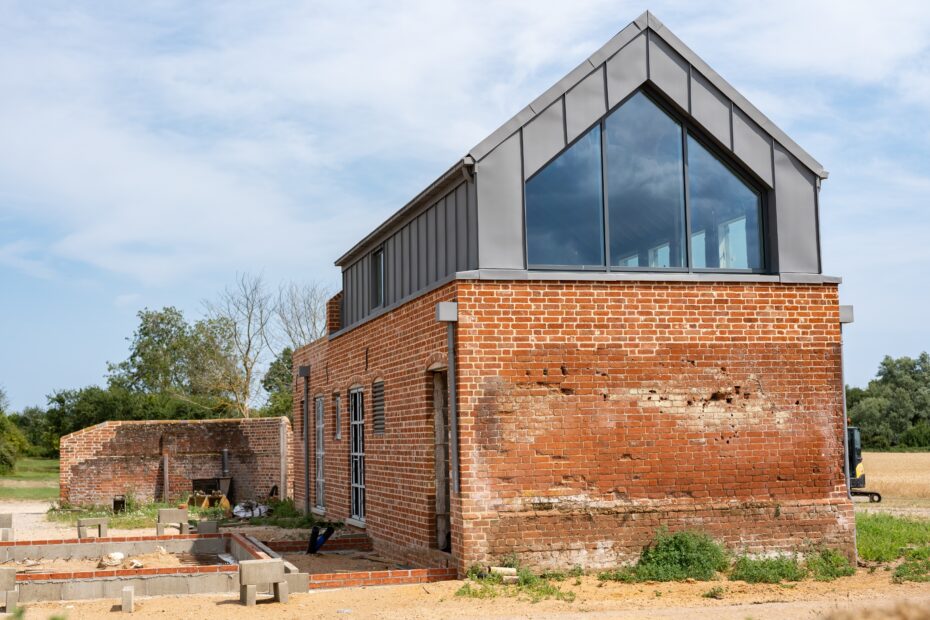
Farmyards and agricultural buildings are expressly excluded from the definition of previously developed land, so the brownfield route does not help them. They are supported instead through the reuse, extension or replacement of existing buildings, provided the building is permanent, substantial and lawful. That route can still add significant value to redundant buildings with conversion potential.
The test applies to buildings as they stood when the framework was published. Putting up a new building now to make use of the policy will not work.
Agricultural land quality
Councils must take account of land quality, including its grade, and steer significant development towards poorer land where possible. This reverses the usual relationship between land quality and value. Good Grade 2 land commands a premium as farmland, but it may now face weaker development prospects than poorer land nearby. Knowing your land’s grade is part of understanding its full value.
Diversification and farm modernisation
The framework gives explicit support to:
- livestock housing
- on-farm reservoirs
- polytunnels and greenhouses
- farm shops
- seasonal worker accommodation
- the diversification of land-based businesses
Greater certainty of consent supports the value of farms with scope to diversify, and investment in things like water storage can add to a holding’s resilience and its appeal to buyers.
What landowners should be thinking about
- Selling land: if your land has any realistic development prospect, make sure the sale price or overage terms reflect it. Overage agreed under the old policy regime may be worth revisiting before you sign.
- Buying land: expect sellers and their agents to be more alert to hope value, and price accordingly.
- Estate and succession planning: agricultural property relief only covers agricultural value. Any hope value falls outside it, so a change in development prospects can change the tax position as well as the valuation.
- Existing valuations: a valuation prepared before August, for lending, tax or family purposes, may not reflect the new position for land with development potential.
A note of caution
The market will take time to settle. There is little transaction evidence yet, and it will be a while before we see how councils across Devon and Cornwall apply the new policies in practice. Hope value should be assessed carefully, field by field, rather than assumed simply because the policy has become more permissive.
If you would like a view on how the changes might affect the value of your land or buildings, please get in touch.